
METHODOLOGY AND RESULTS
Throughout the past few months, I have been thoroughly working in order to design the questionnaire, conduct the survey and analyze the results.
1. Initial RESEARCH
In order to conduct a survey and distribute a questionnaire, I had to make extensive research both in regards to questionnaire design itself and in regards to the specific topic I had chosen, teenagers and their daily usage of technology. This is why I split my research into 2 sections: designing the questionnaire and understanding the topic in hand.

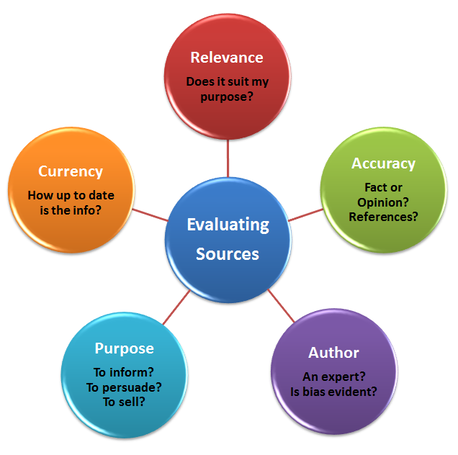
2. SOURCE EVALUATION
Once I had completed my initial research process, I had to evaluate my sources and decide which of them I found reliable. Using the CRAAP test evaluation method, I concluded with 10 reliable sources (in comparison to the original number which was 15) which I have cited below.
3. RESEARCH ANALYSIS
Having evaluated the sources, I was now able to start analyzing the research data. Similar to the research process, my analysis was split in 2 parts. In terms of teenagers and technology, I studied other questionnaires regarding teenager behavior and digital technologies, realizing what are the type of questions I should ask. As far as questionnaire design is concerned, however, I developed a list of important criteria to consider when designing a survey labelled "Questionnaire Design Success Criteria", which is a short summary of the sources I had used.


4. QUESTIONNAIRE DESIGN
With the research part of the survey completed, I immediately began designing the questionnaire. Utilizing the information from the sources I had researched (including the Questionnaire Design Succes Criteria paper I mentioned above) , I was able to design 18 questions and group them by similarity in order to form the questionnaire. The research was able to guide me regarding questionnaire platform, question wording, type, grouping and amount, while the research on teenagers' usage of digital technology made me understand what data I needed to ask for.
5. questionnaire distribution
After completing the questionnaire, I had to distribute it to some of my classmates in order to collect their responses and utilise their data. Initially, there was a possible issue with the GDPR at hand when distributing the questionnaire, but after some minor research I realized that there isn't any problem at hand if I used the data according to the GDPR Compliance page, which can be accessed on the footer of my page.


6. DATA ANALYSIS
After distributing the questionnaire to 42 of my classmates, I received 28 responses. Using the data according to the regulations set by the GDPR, I was able to come to interesting realizations regarding teenagers and their daily usage of digital technology. You can find the results below.
Questionnaire results
After asking 18 questions about the daily usage of digital
technologies by teenagers, I was able to come to interesting conclusions and
comparison regarding their digital footprint now and since they joined high school.
Click "See More" to access the extensive results of the survey, alongside the analysis of the data.
Understanding the results.